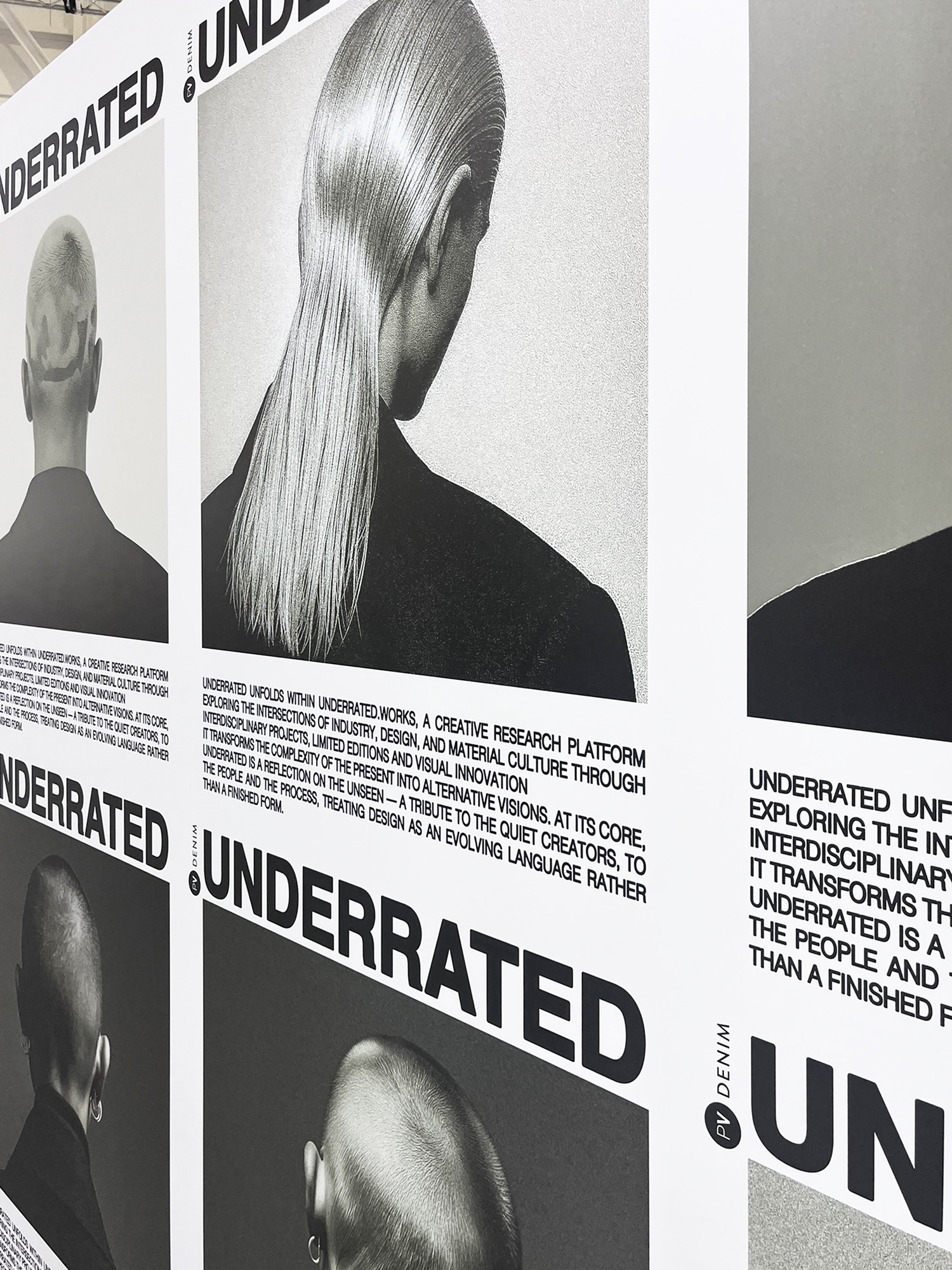
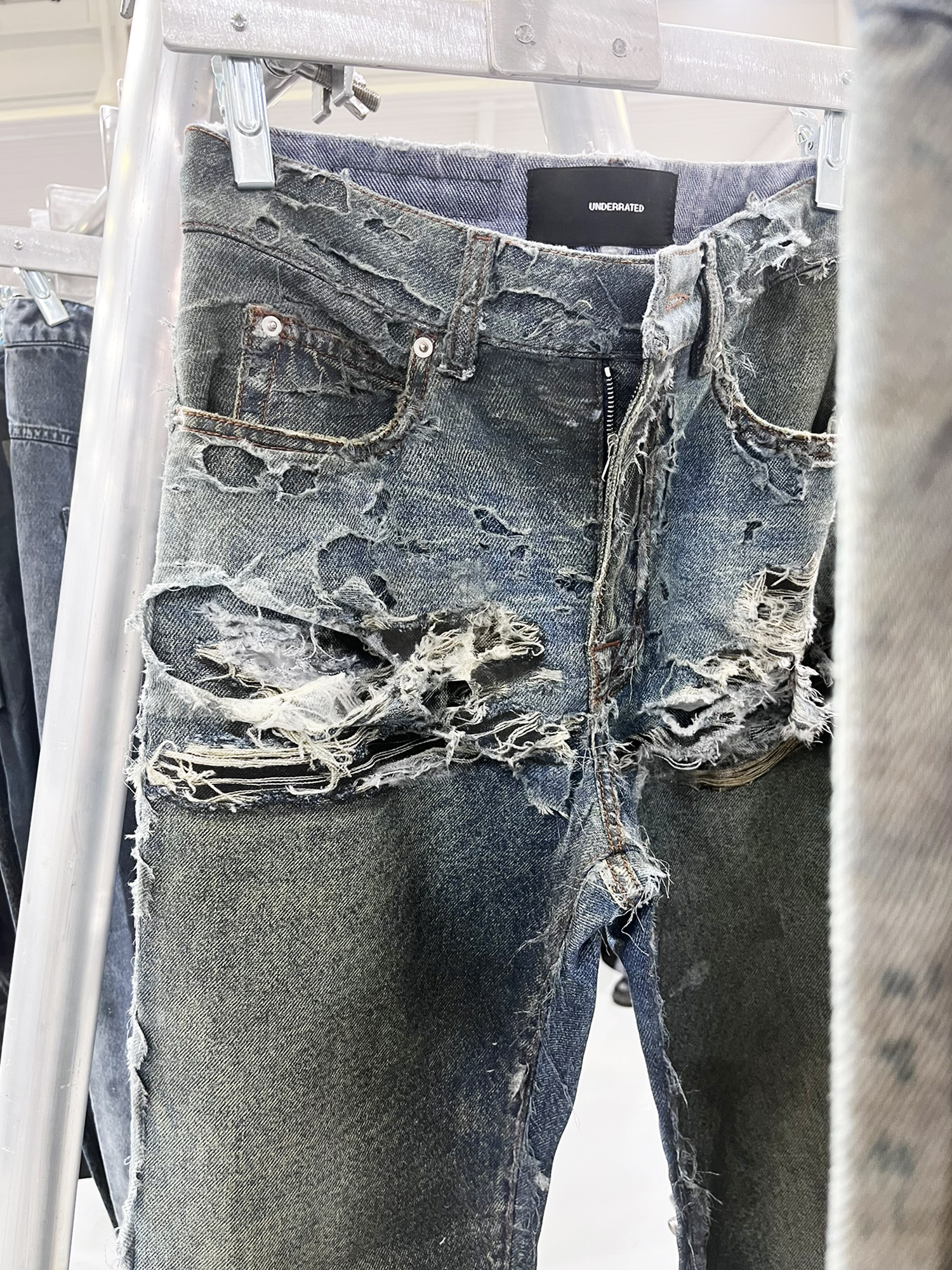
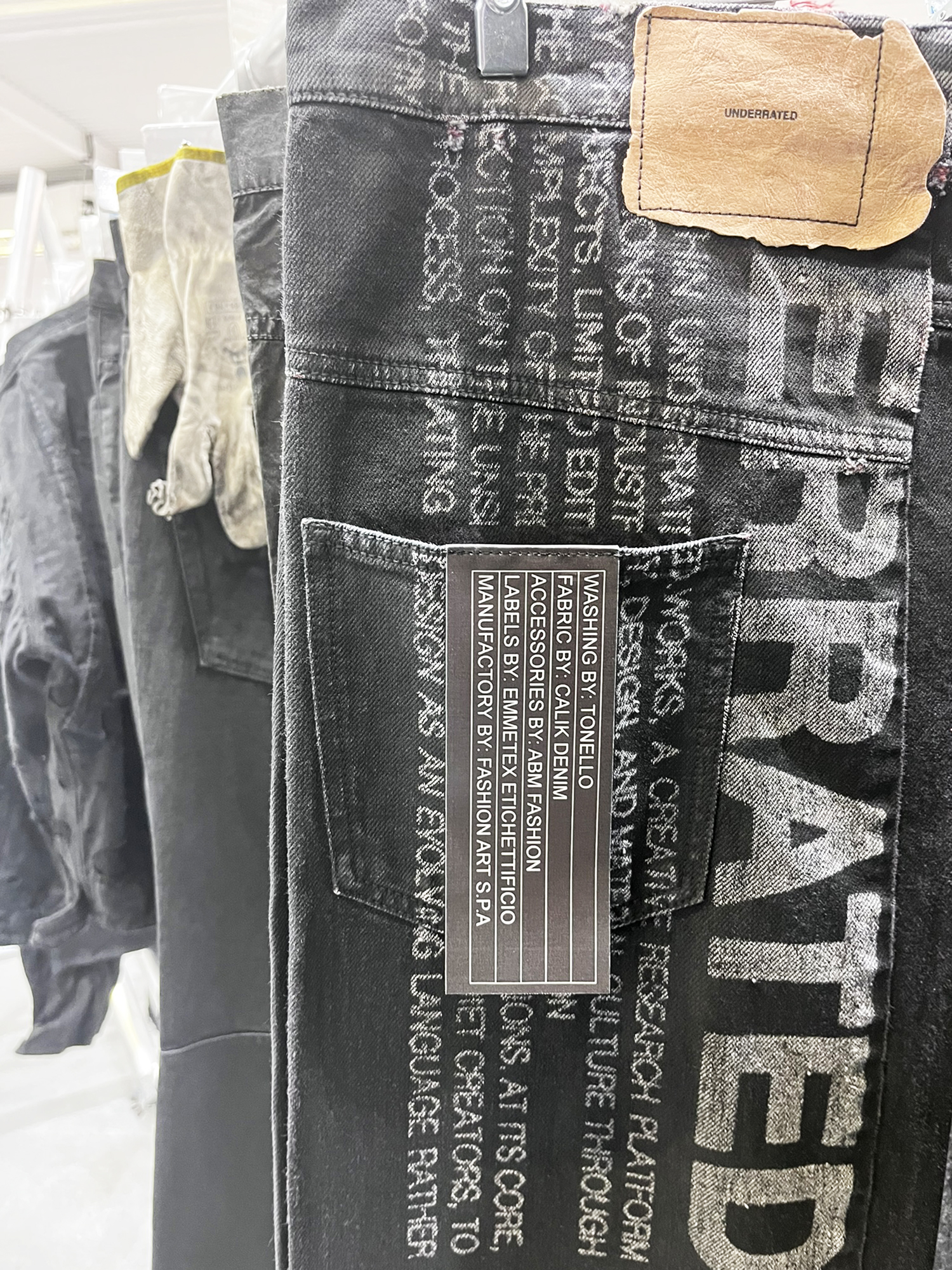
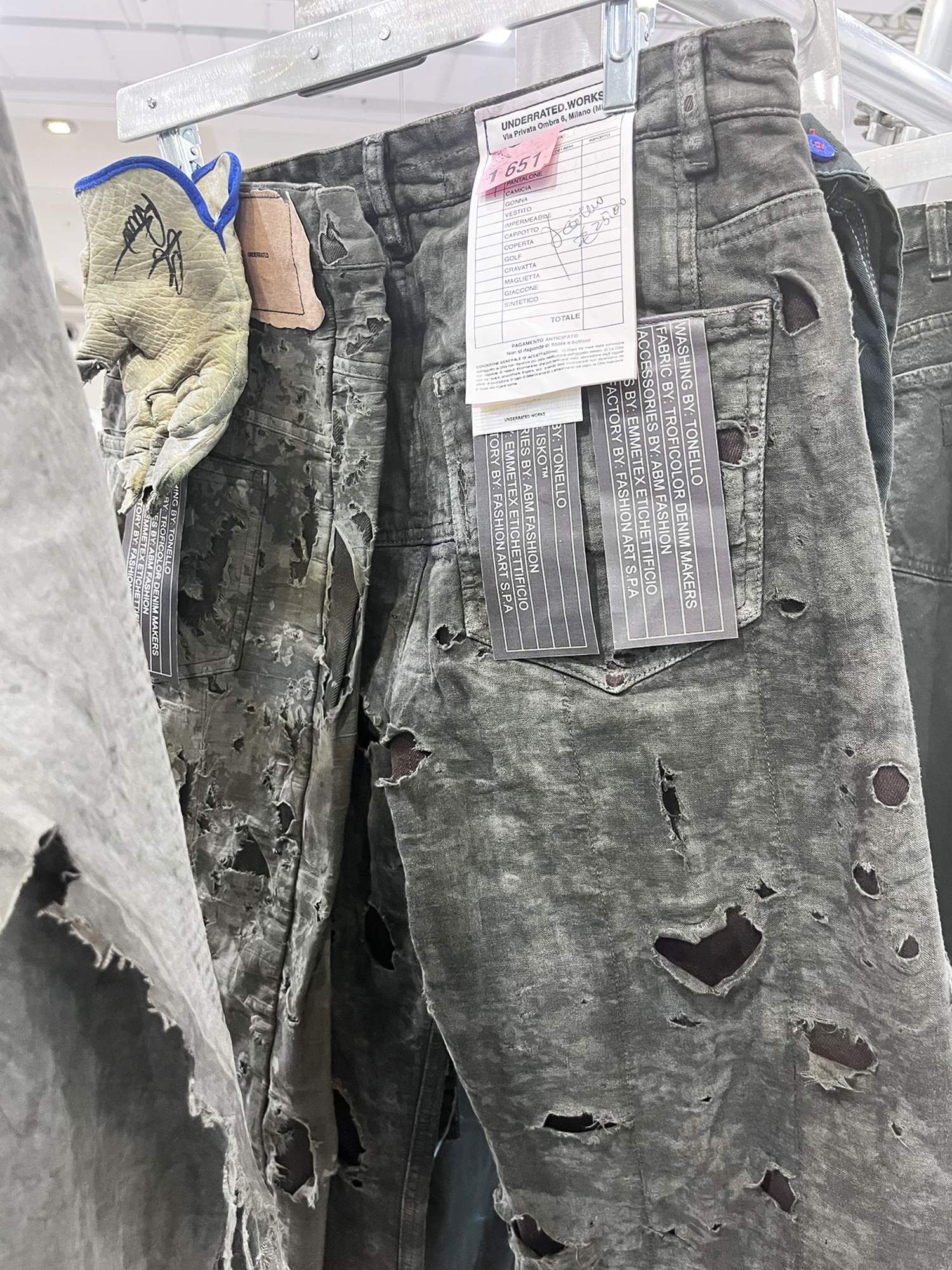
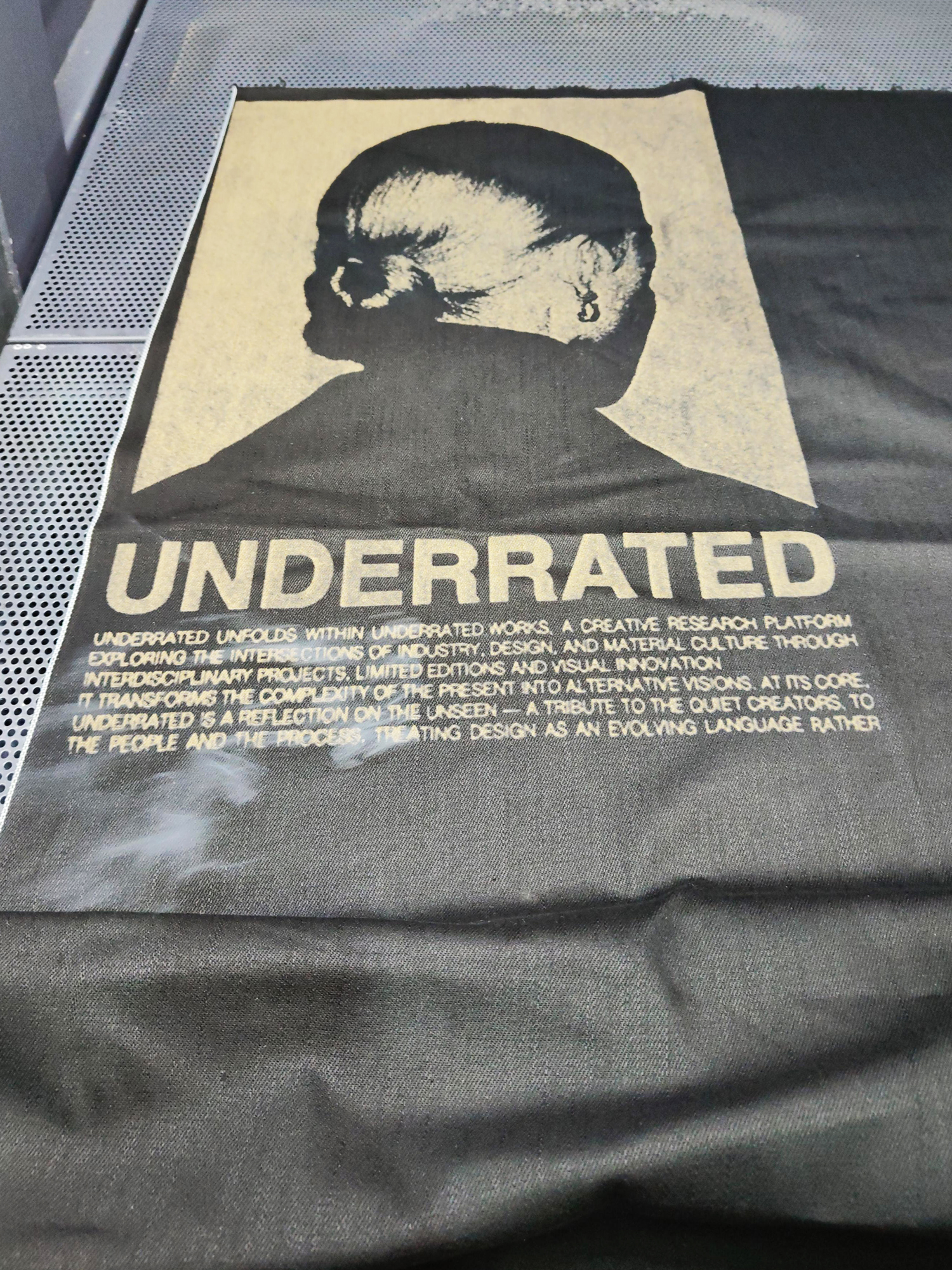
At Tonello, we have always believed that innovation begins where creativity meets industry. This belief resonates profoundly with the work of Kristian Guerra and his research platform Underrated, a project that investigates how design, manufacturing, and material culture can merge into new forms of expression.
During his recent session, Guerra revealed a way of thinking that goes far beyond traditional fashion design. His approach positions experimentation, material intelligence, and production expertise not as background tools, but as protagonists capable of shaping entirely new aesthetics. Underrated becomes the space where this dialogue unfolds, a space in which industrial knowledge fuels creativity rather than limiting it.
Design as a Dialogue with Industry
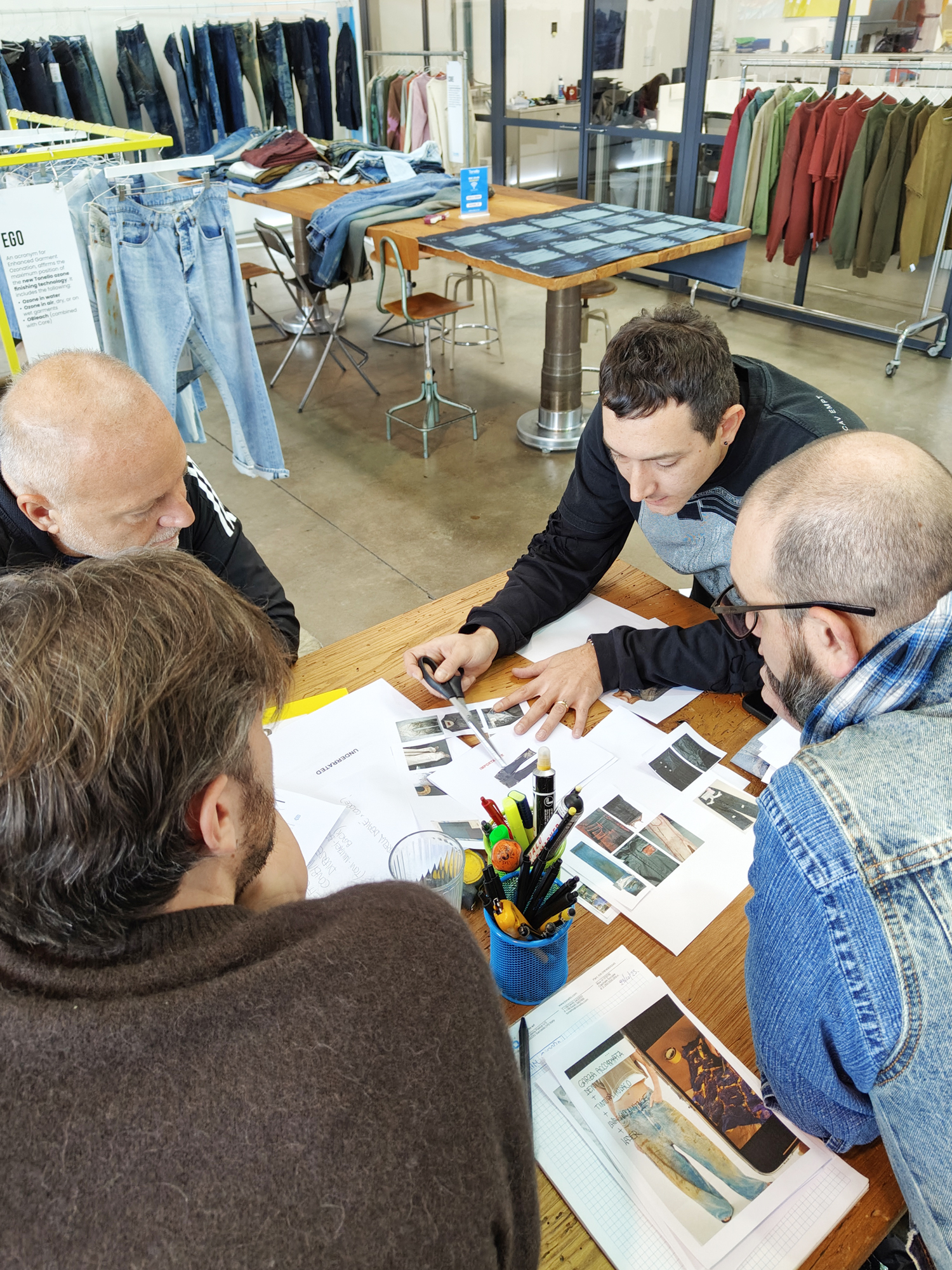
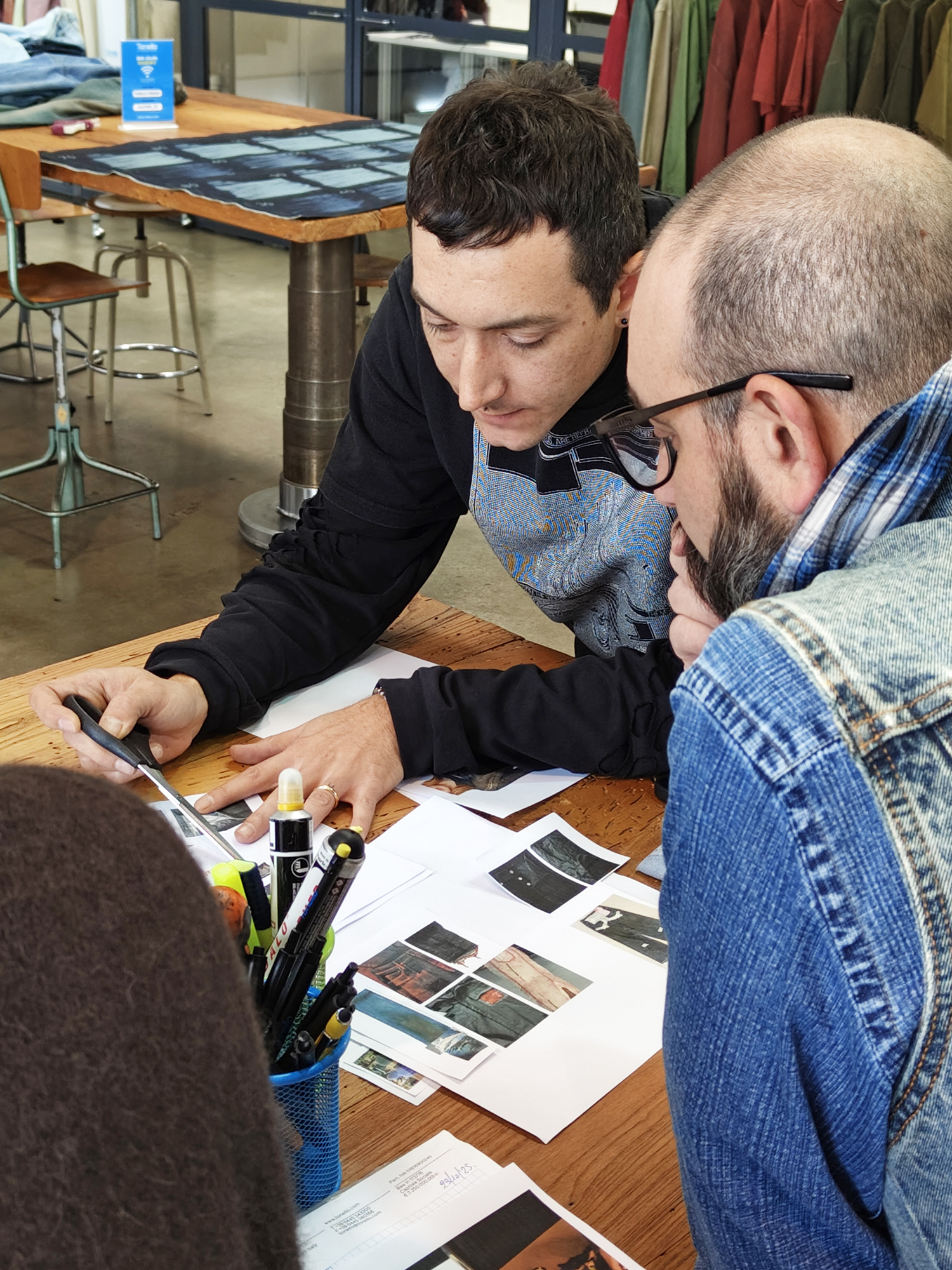
Guerra’s method is rooted in a continuous exchange between the designer and the supply chain. Instead of separating the conceptual phase from the technical one, he observes how each treatment, each process, and each material transformation generates its own visual and narrative possibilities.
For him, industry is not a constraint. It is a vocabulary. A system of gestures, reactions, and technological evolutions that designers can reinterpret to craft new identities.
This approach echoes closely with Tonello’s philosophy: innovation is not merely functional. It is aesthetic and storytelling. And it is what allows design to evolve in step with material progress.

Aesthetics Born at the Periphery
The Underrated project draws significant inspiration from subcultures, marginal spaces, and overlooked territories: places where rawness, authenticity, and alternative perspectives are born. Guerra reimagines these fringe influences not as nostalgic references, but as engines of transformation.
Through them, he explores how the edges of culture can challenge the center, sparking new viewpoints on fashion and, especially, on denim.
Central to this vision is the idea of the perimeter: limits, industrial constraints, production realities. For Guerra, these boundaries are not obstacles but catalysts. By embracing them, he transforms technical experimentation into conceptual thinking, turning manufacturing innovation into an aesthetic force.
A Practice of Alteration
Guerra’s broader work – both as a designer and creative director – revolves around the concept of alteration. His process is an ongoing act of dismantling and recomposing shapes, textures, and colors.
His background reflects this hybrid approach. A graduate of IUAV University of Venice and winner of the Fashion Special Prize at ITS 2011, Guerra has collaborated with brands such as Diesel and C.P. Company, always pushing the convergence between industrial mastery and contemporary visual language.
Today, based in Milan, he continues to cultivate connections with music scenes, subcultures, and emerging artists, translating these influences into a design vocabulary that balances street energy with refined craftsmanship.
Materiality, process, and the art of finishing
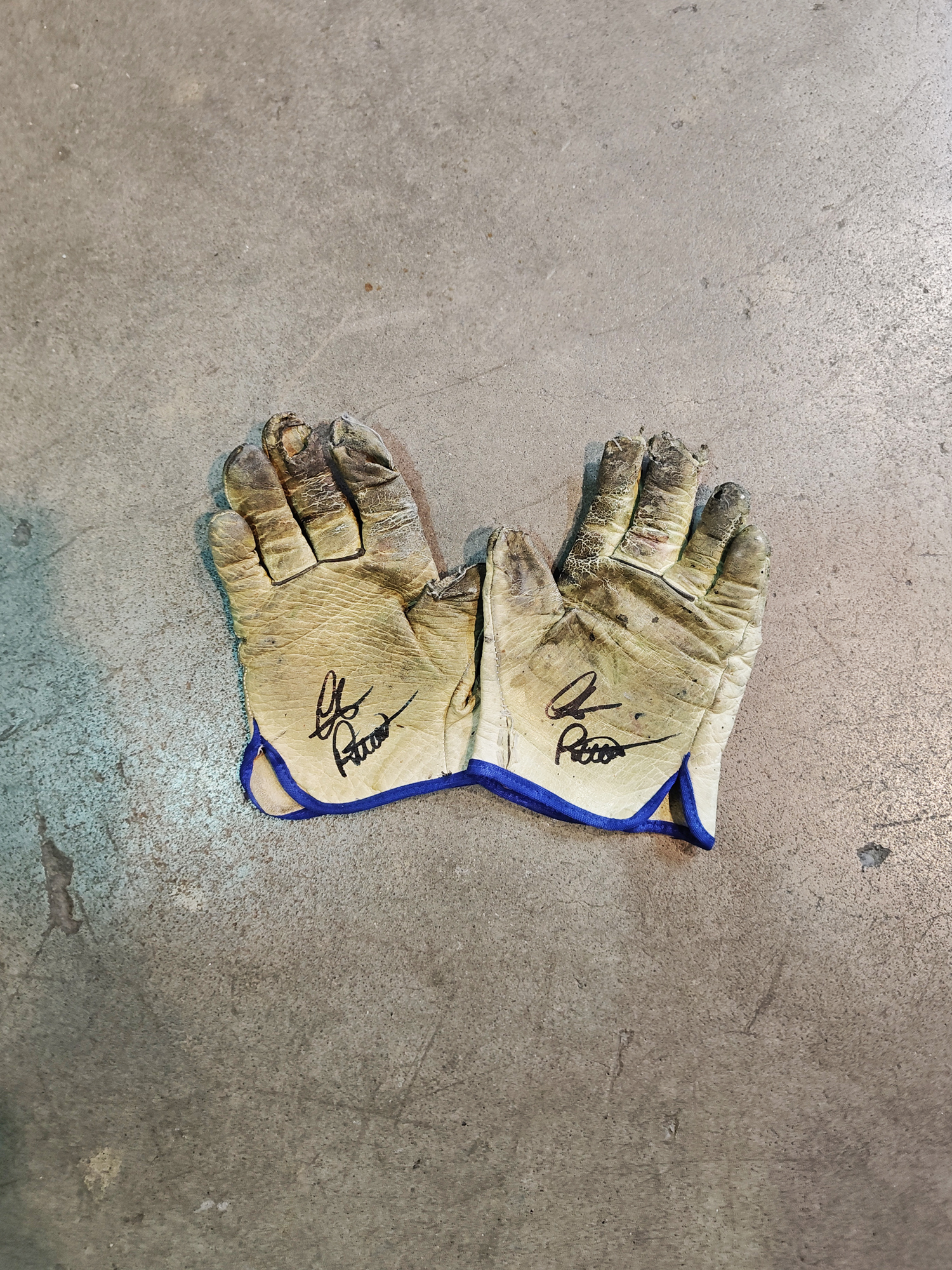
Material research stands at the heart of Guerra’s creative universe. His interest in classic menswear proportions is constantly reinterpreted through sculptural forms, process innovation, and controlled deconstruction.
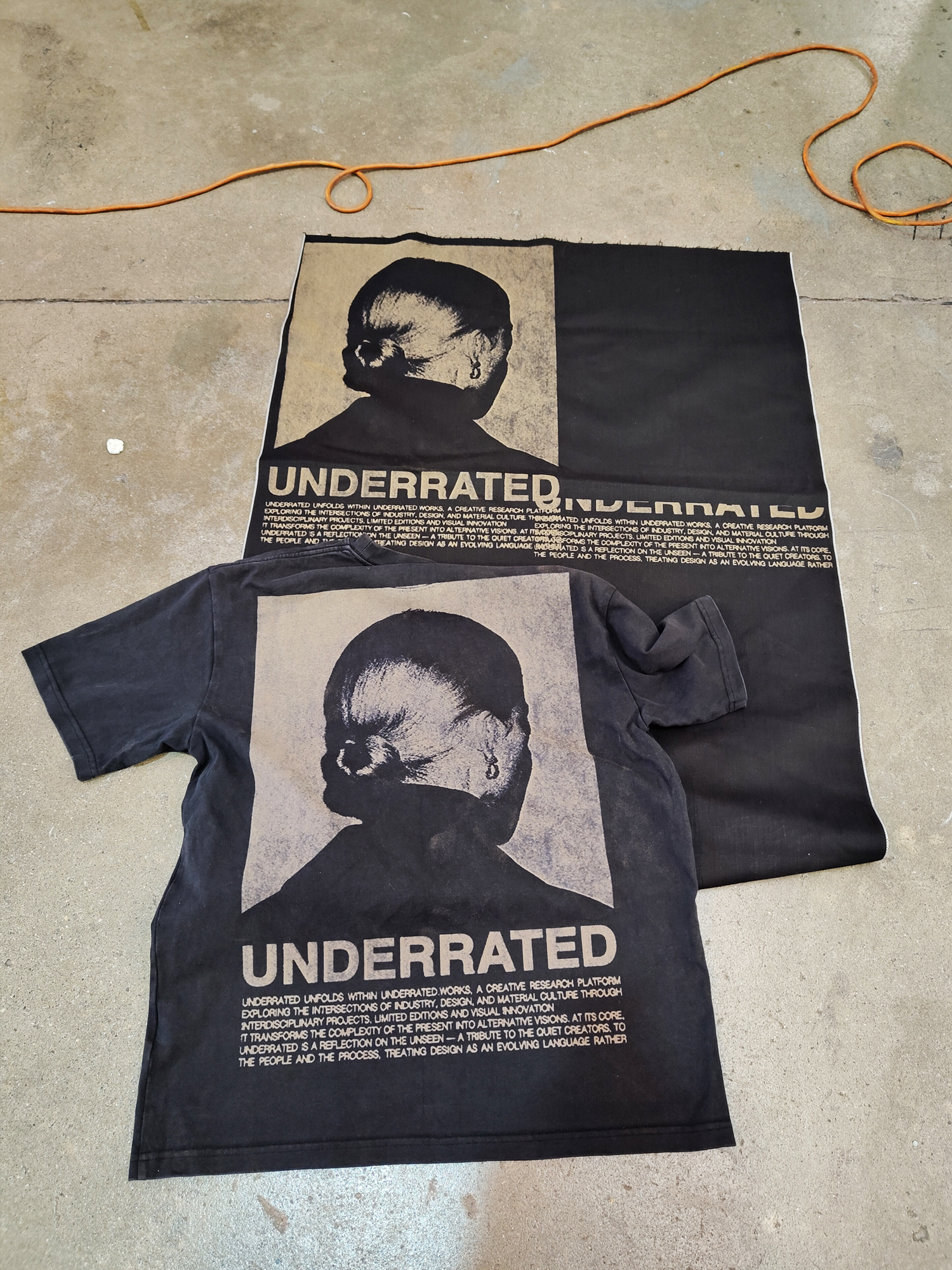
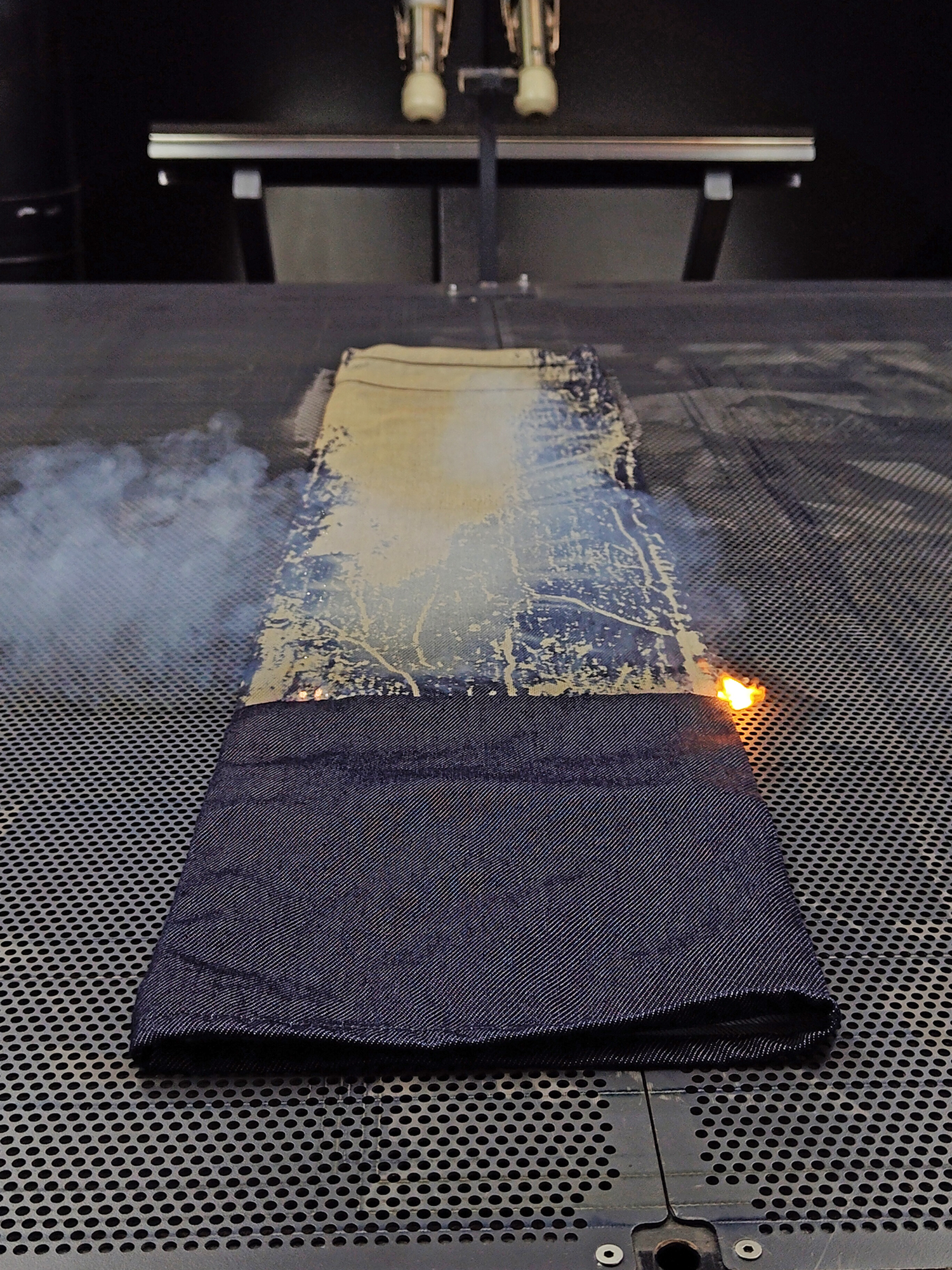
Finishing – a field where Tonello’s expertise plays a pivotal role – becomes in his hands a true design language. The interaction between yarn composition, surface manipulation, and treatment intensity generates both tactile depth and visual identity.
Collage is one of his signature methods: a layered, intuitive way of building narratives by merging techniques, references, and material behaviors. It is a process that mirrors the spirit of Underrated: open, investigative, and deeply anchored to the potentials of industrial craft.
A Shared Vision for the Future of Denim and Design
Underrated’s mission aligns closely with Tonello’s own values: exploring new frontiers of design by embracing technology, process evolution, and responsible innovation. Through Kristian Guerra’s work, we see how contemporary fashion can grow by engaging directly with production, transforming industrial boundaries into creative opportunities.
In this shared landscape, denim becomes a medium through which design can interpret culture, industry, and the continuously shifting edge of what is possible.