
Dossier
Ethical fashion: a new way of thinking about fashion

Ethical Fashion and Industrial Production: Why Processes Make the Difference
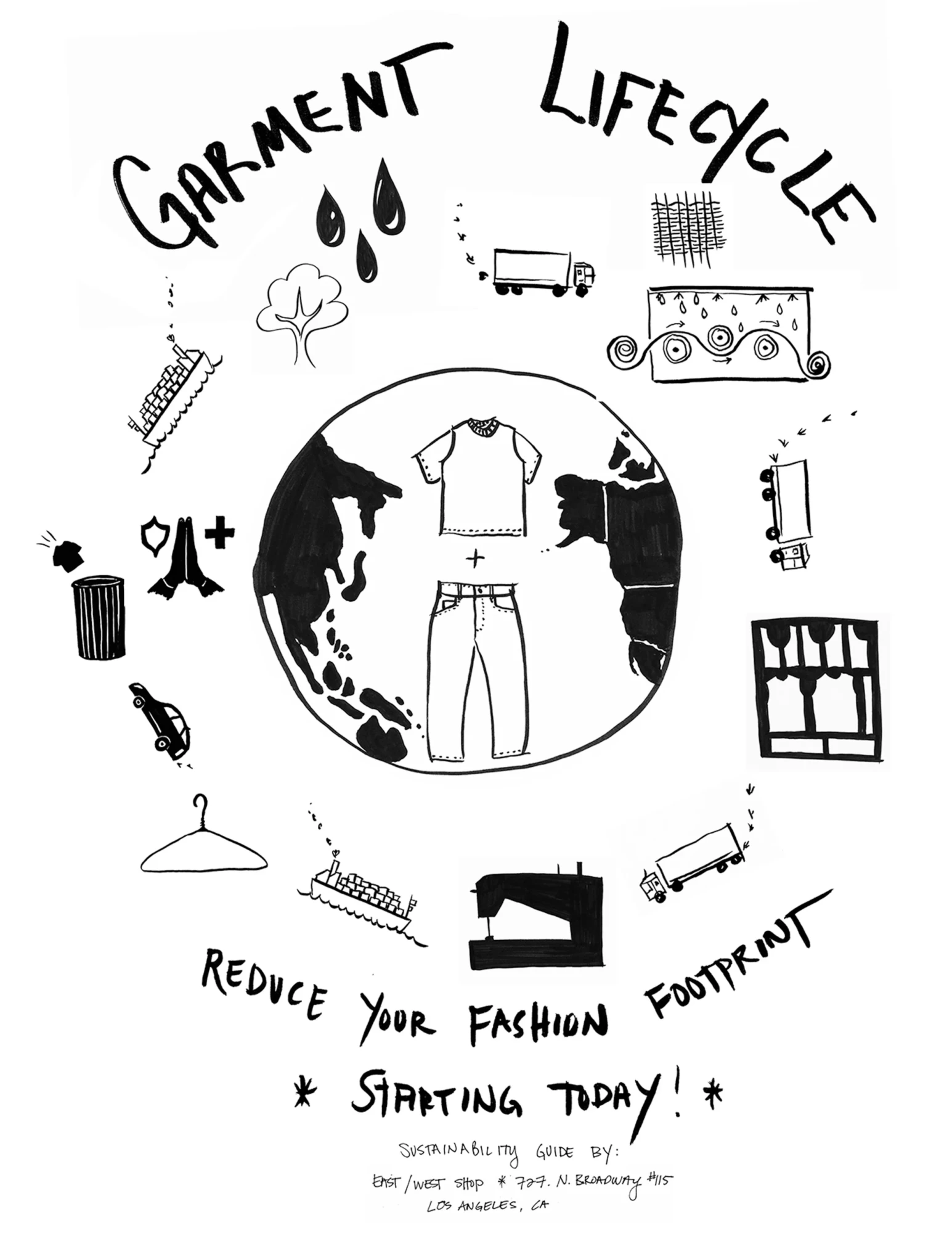
One of the most significant aspects concerns production, where a significant portion of the industry’s environmental impact is concentrated. It is here that some of the most concrete innovations are emerging.
Today, improving sustainability in fashion means rethinking industrial processes to make them more efficient, reducing water and energy consumption, limiting the use of chemicals, and optimizing manufacturing processes. At the same time, more precise production management helps avoid surpluses and waste, contributing to a more balanced system.
In this context, ethical fashion is not just about what is produced, but above all about how it is produced.
 © via East West Stuff
Ethical Fashion and Technological Innovation
New technologies are essential tools for reducing the textile industry’s environmental impact.
3D printers, for example, make it possible to create custom-made garments while reducing waste, while innovative materials derived from production scraps pave the way for creative and sustainable solutions.
The “machines”, which are becoming increasingly intelligent and efficient, offer us advanced tools to turn ethical fashion from a dream into reality by anticipating demand, optimizing material use, and reducing unnecessary inventory.
This is also the context for the work of companies like Tonello, which develop technologies designed to support brands in evolving their production processes. Our goal is not to limit creativity, but to offer tools that allow it to be expressed more consciously and efficiently.
Technologies such as lasers, ozone systems, or spray applications enable complex results to be achieved through a more targeted use of resources. At the same time, the integration of advanced software like Metro allows every stage of the manufacturing process to be measured and optimized, improving precision and reducing waste.


Ethical Fashion: Between Practice and Production Models
In practice, ethical fashion translates into a series of choices that involve the entire supply chain. From the selection of recycled or low-impact fibers to the adoption of more efficient processes, every stage contributes to defining a garment’s sustainability profile.
At the same time, there is growing attention to traceability and transparency, elements that are becoming increasingly fundamental to understanding the origin of products and their journey. In this context, circularity-oriented models are also gaining traction, aiming to extend the life cycle of materials through reuse and recycling.
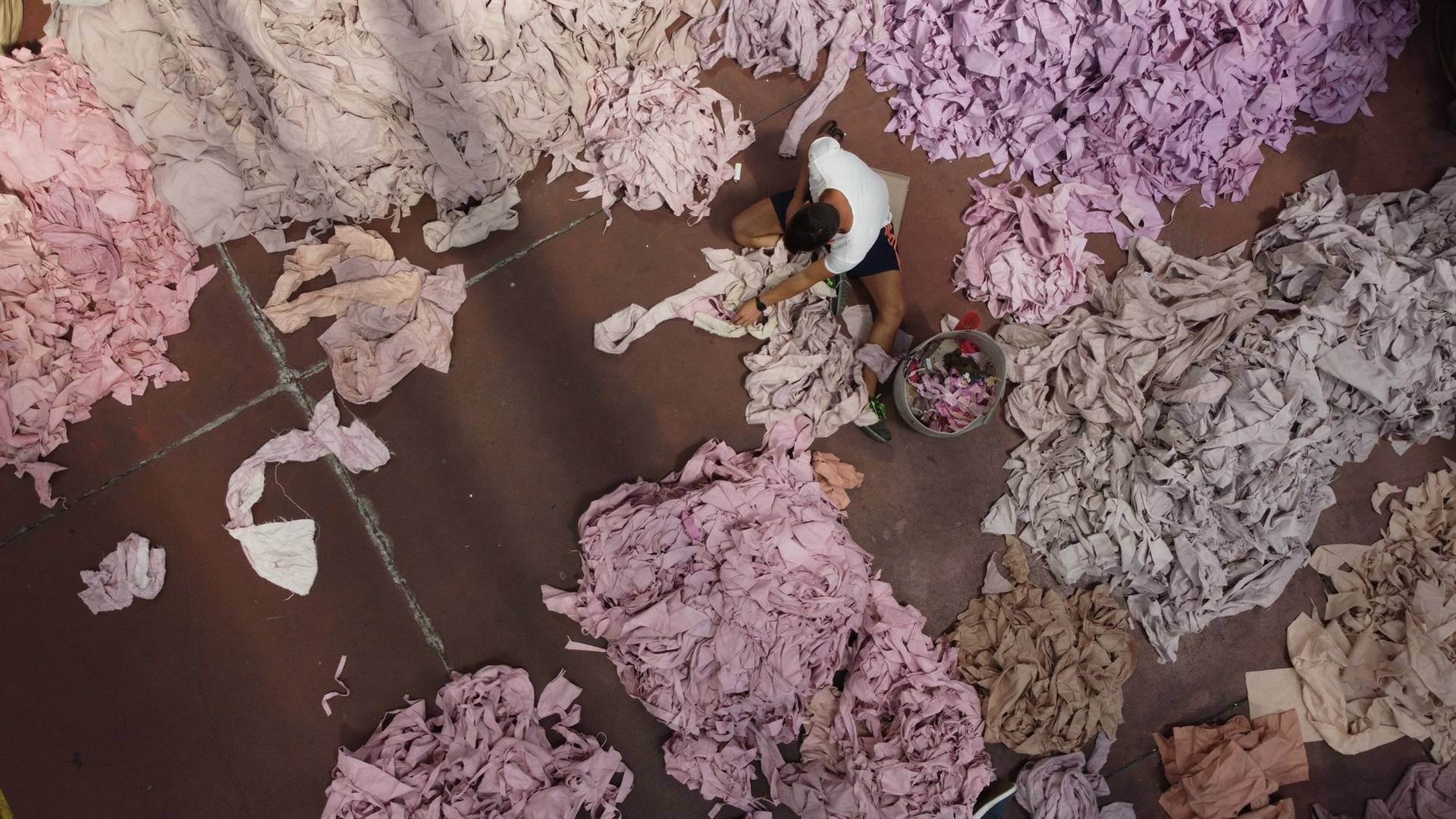
Some projects have helped make these issues more accessible and tangible. Initiatives such as those developed by WRÅD, founded by Matteo Ward, along with the documentary JUNK, have drawn attention to the global dynamics of the textile supply chain, offering a direct look at the flow of garments and their impact in various international contexts.
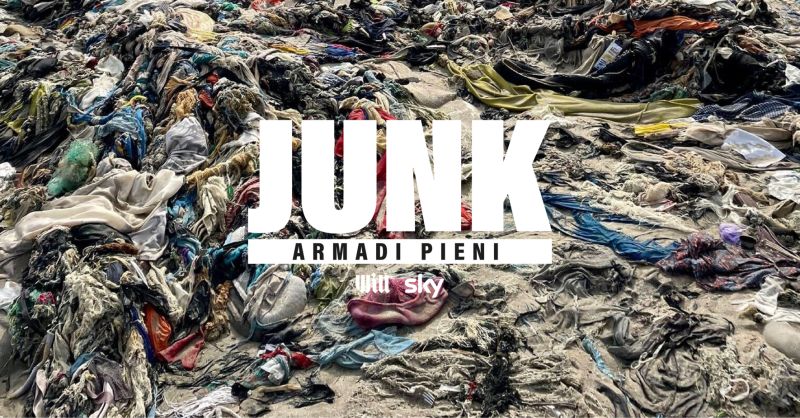 Junk: Armadi Pieni - Matteo Ward


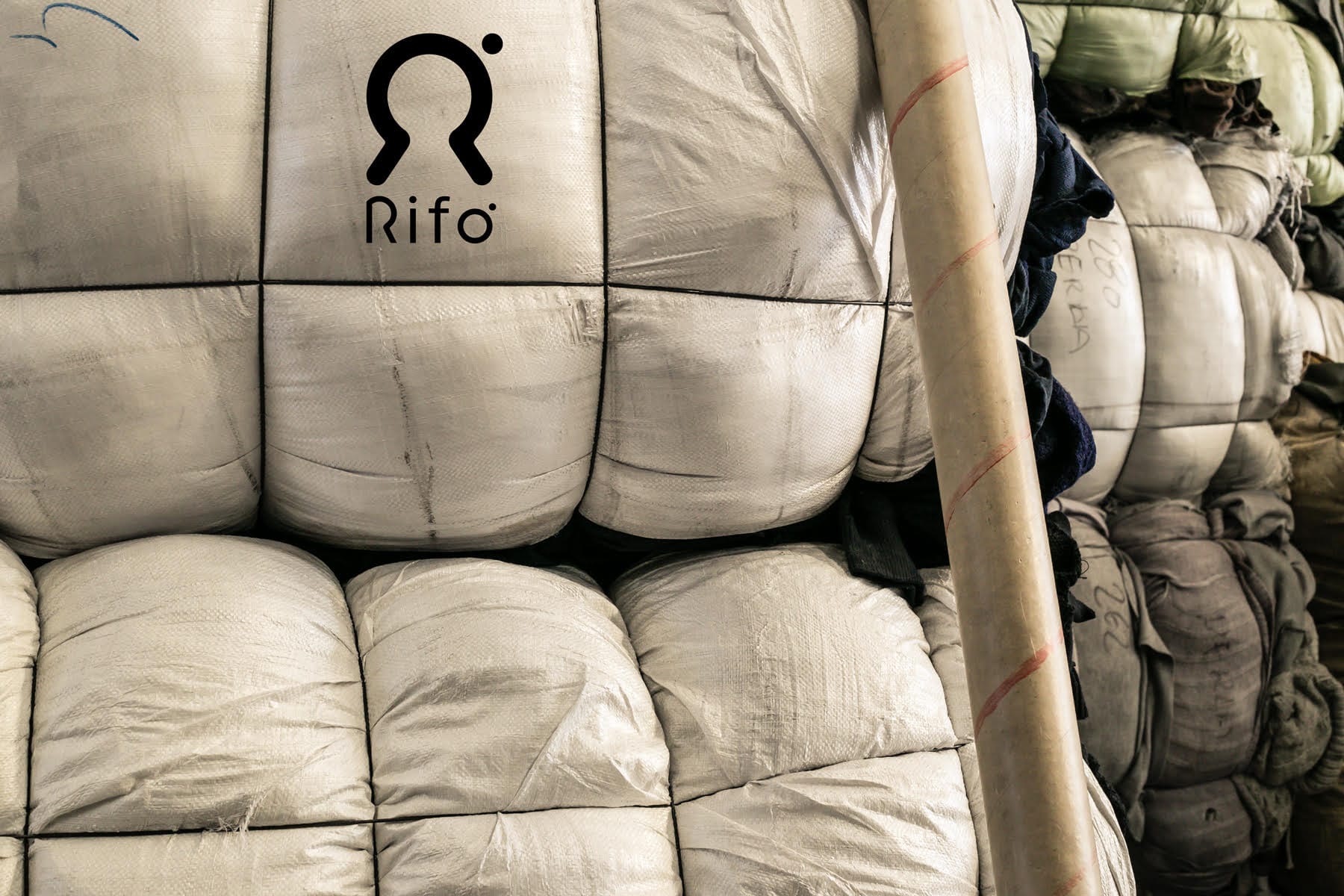
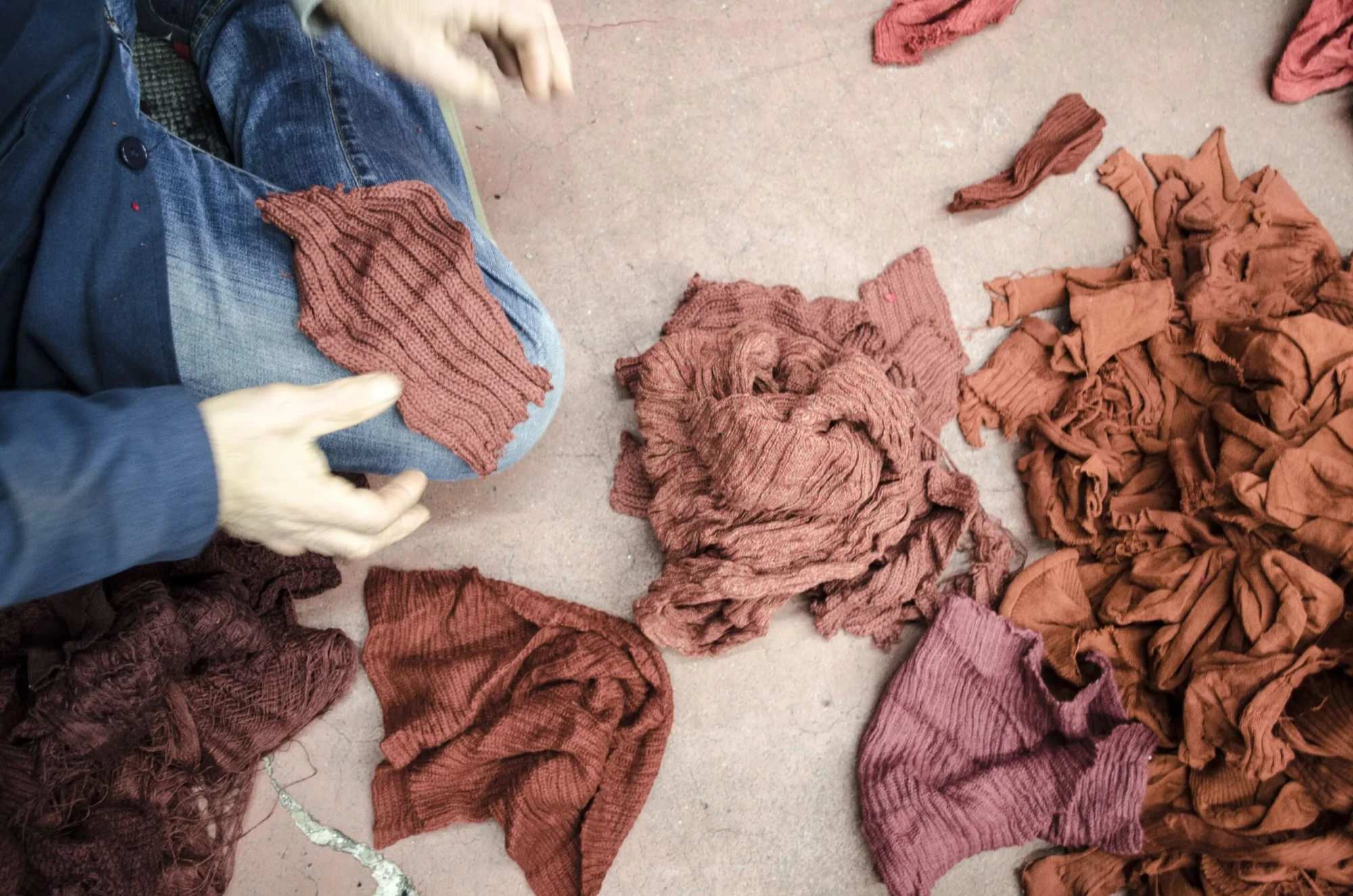
At the same time, organizations like Rifò demonstrate how it is possible to build production models based on the recovery of materials and the promotion of local skills, transforming existing garments into new resources through structured and traceable processes.
Some international brands have also helped promote a more mindful approach to consumption. Patagonia, for example, has long championed initiatives focused on garment repair and durability, encouraging a more mindful and long-lasting relationship with the product.
Ethical Fashion and Everyday Choices
Each of us can play an active role in this change.
Choosing high-quality clothing made from natural or recycled materials, learning about transparent supply chains, and favoring brands that openly communicate their production processes are essential steps.
Repairing or trading clothes, selling or donating what we no longer use are actions that extend the life of garments and reduce waste.
Thus, embracing ethical fashion does not mean giving up the pleasure of style, but rather making a conscious choice that the shows appreciation for the value people and the planet. Every choice thus becomes a concrete step toward a more conscious fashion system, capable of combining creativity, quality, and responsibility.

Condividi l’articolo:


